
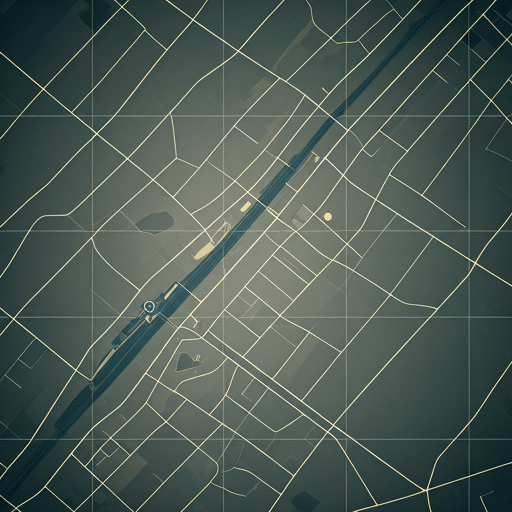
Located in the heart of Germany, between Frankfurt am Main (150 km), Erfurt (155 km), and Bamberg (85 km), lies one of Germany's most famous and historic spa towns: the county seat of Bad Kissingen.
Thanks to its proximity to the Rhön Biosphere Reserve, the city itself is surrounded by a picturesque hilly landscape and an above-average density of vegetation, with many forest trails and hiking paths.
Rosenstraße 9, 97688 Bad Kissingen
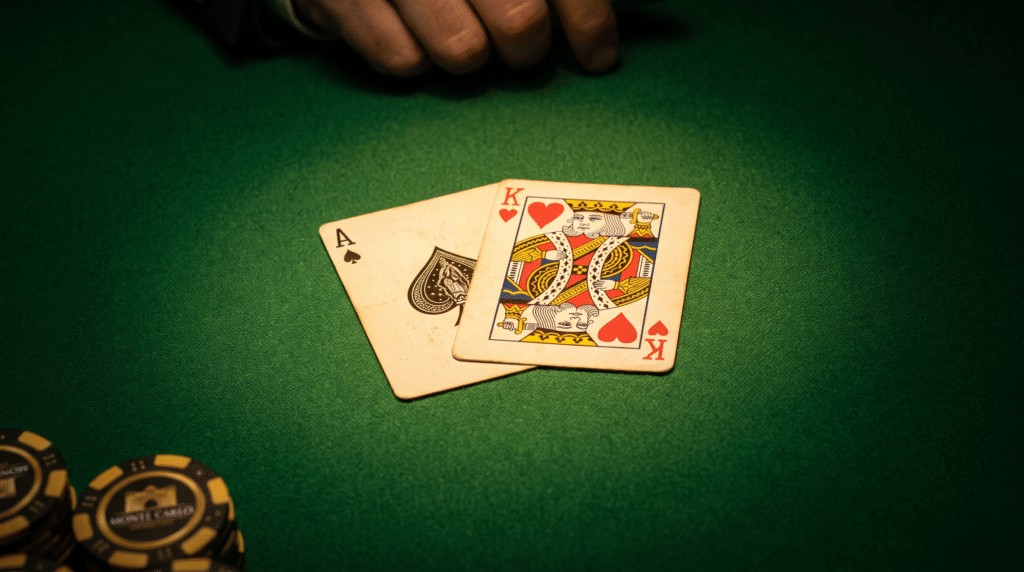
Roulette set against the breathtaking backdrop of the former Luitpoldbad. Exclusive dining right next door.
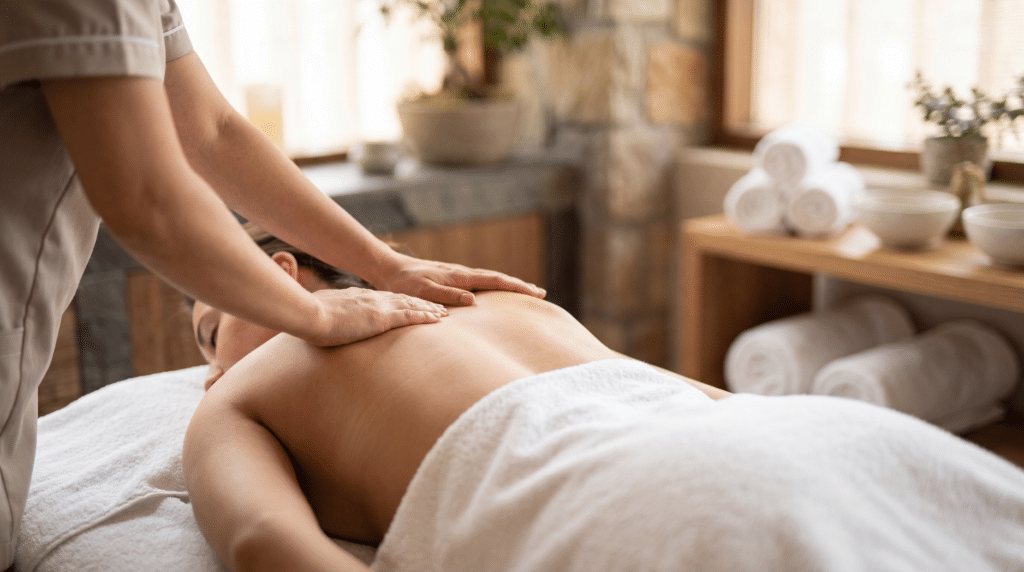
A 7,000 m² wellness experience featuring a sauna area, wellness pavilion, and Fitness Arena.
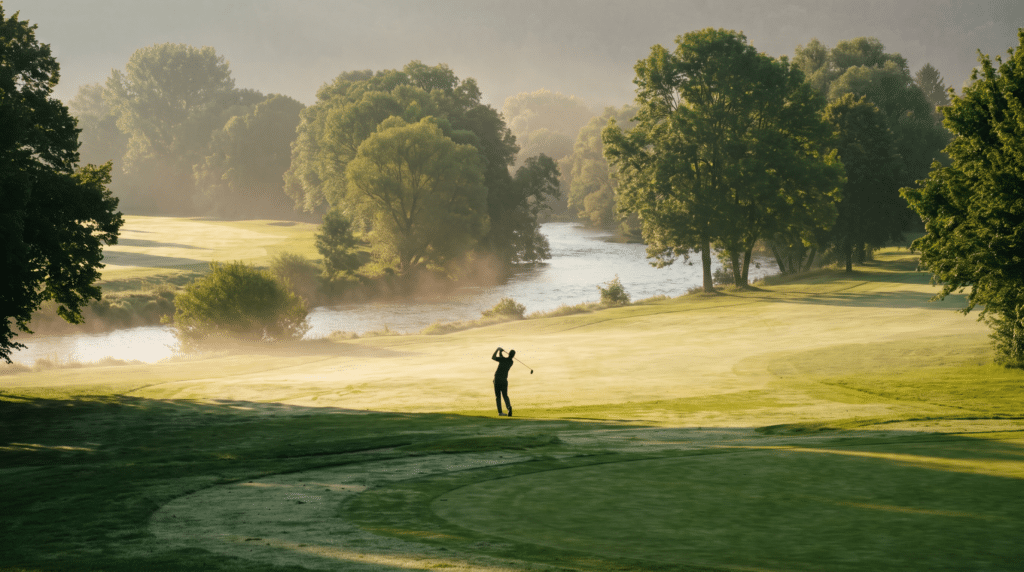
An 18-hole golf course set in a 100-year-old park. A sporting adventure in nature right on the Saale River.

A historic outdoor swimming pool covering 48,000 m² with state-of-the-art facilities and expansive green spaces.
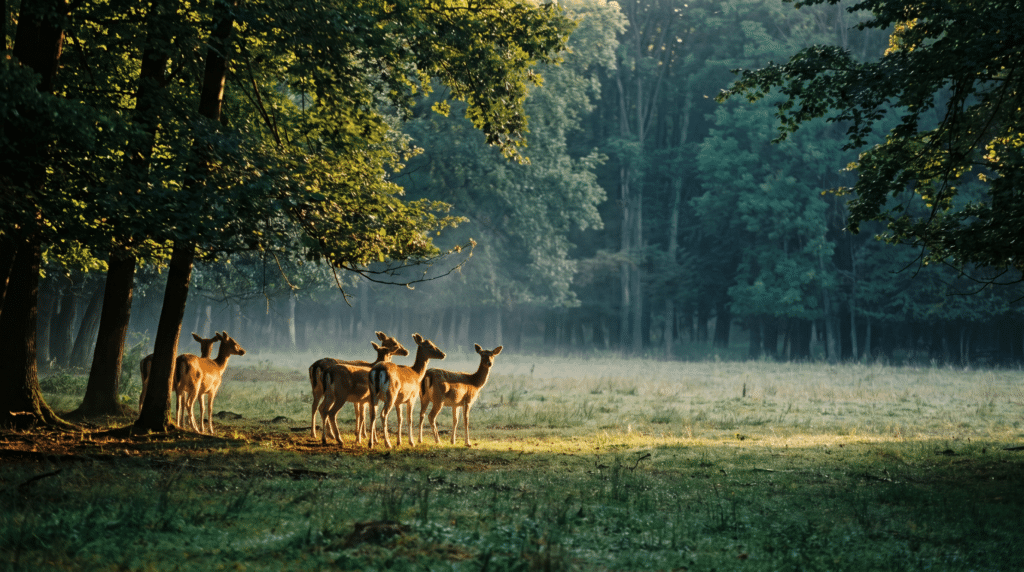
A 30-hectare urban zoo featuring native wildlife and a semi-natural mixed deciduous forest.

Sightseeing flights over the Saale Valley in historic biplanes or modern gliders.
Roulette set against the breathtaking backdrop of the former Luitpoldbad. Exclusive dining right next door.
A 7,000 m² wellness experience featuring a sauna area, wellness pavilion, and Fitness Arena.
An 18-hole golf course set in a 100-year-old park. A sporting adventure in nature right on the Saale River.
A historic outdoor swimming pool covering 48,000 m² with state-of-the-art facilities and expansive green spaces.
A 30-hectare urban zoo featuring native wildlife and a semi-natural mixed deciduous forest.
Sightseeing flights over the Saale Valley in historic biplanes or modern gliders.
Today, the spa town includes seven therapeutic springs, all of which are located in the Saale Valley. They have been believed to have healing properties since the 16th century.
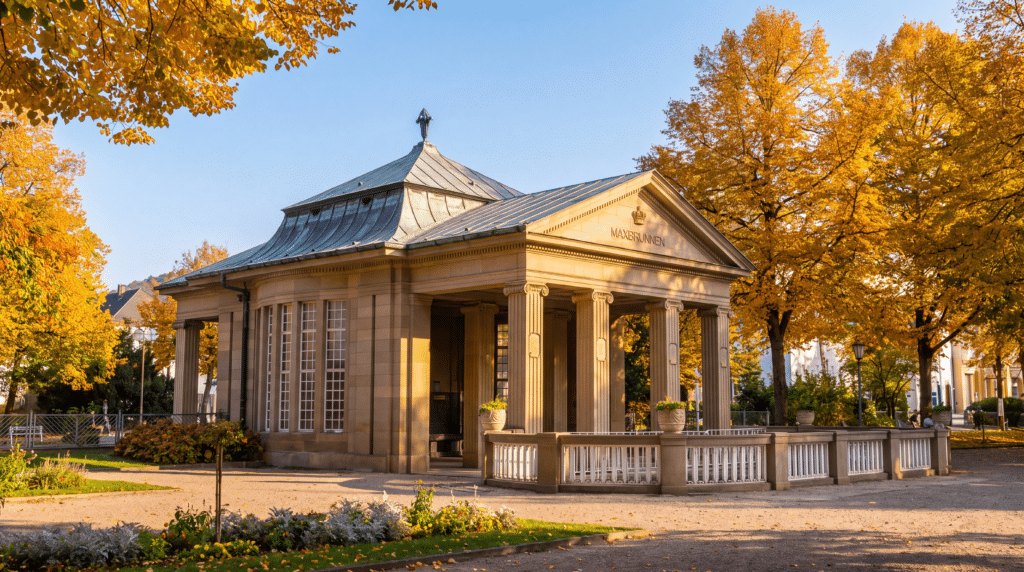
Also known as the “Sauerbrunnen,” the Maxbrunnen has drawn nobles from all over the world to Bad Kissingen for spa treatments since the 16th century. Every day, the water is traditionally served by well girls.
Known since 1616 as the “spicy” fountain. The name originated during the War of the Austrian Succession.
Rediscovered in 1737 during work to reroute the Franconian Saale.
Not a natural spring; inaugurated by King Maximilian II in 1856.
“Old” and “New” – Drilled and connected in 1906 in the northern Saale Valley.
Developed as early as 1764 for salt production, it is now used for therapeutic baths.
People have been using them for bathing and inhalation since 1841. They can be found at the graduation tower and in the Kneipp basin for water treading.